


Cryptocurrency, or crypto, has grown from an investment tool to a practical way to pay for goods and services. Whether you want to buy a coffee, pay your phone bill, or even purchase a car, crypto offers multiple ways to make it happen.
Cryptocurrency, like Bitcoin or Ethereum, is digital money powered by blockchain technology. It was originally designed as an alternative to traditional money, allowing peer-to-peer payments without banks. Today, more businesses accept crypto, and tools like debit cards and gift cards make spending easier.
Ways to Spend Crypto
There are several practical ways to use your crypto for purchases. Below, we outline the most common methods, with examples and tips to get started.
Direct Purchases from Merchants
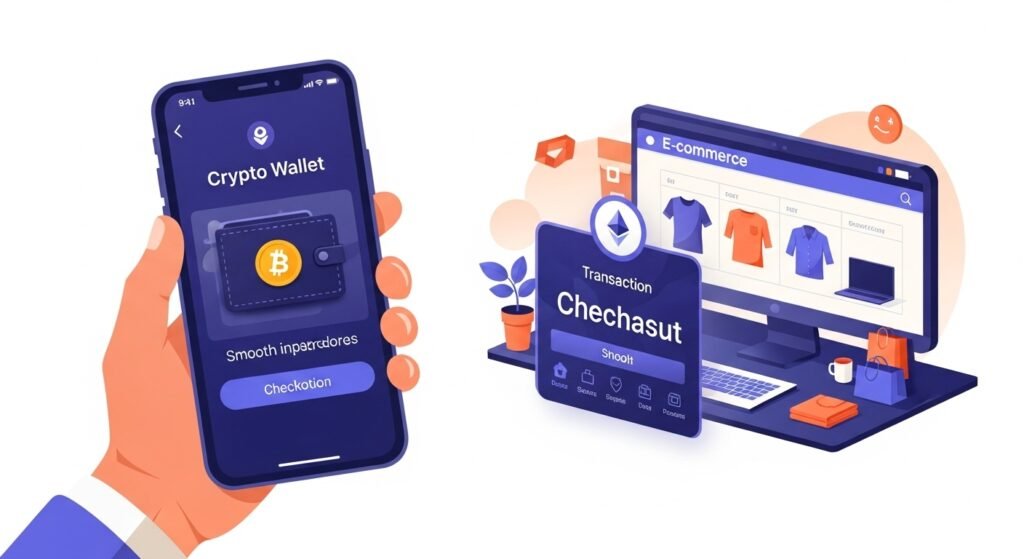
Some businesses accept crypto directly as payment like paypal is good for crypto. This is one of the simplest ways to spend your crypto, as you transfer it from your wallet to the merchant’s wallet. Here are a few well-known companies that accept crypto:
- Microsoft: Add funds to your Microsoft account using Bitcoin for software or services.
- AT&T: Pay for cellular services with cryptocurrencies like Bitcoin.
- Overstock: Buy furniture, electronics, and home goods with Bitcoin.
To find merchants that accept crypto, use platforms like:
- BitPay: Lists over 250 merchants for shopping, travel, and food.
- Coinbase Commerce: Connects you with businesses accepting various cryptocurrencies.
Tip: Check the merchant’s payment instructions, as you’ll need a compatible crypto wallet to send the payment.
Using Crypto Debit Cards
Crypto debit cards let you spend your crypto anywhere that accepts traditional debit or credit cards, like Mastercard or Visa. These cards convert your crypto to fiat currency (like USD) at the time of purchase. Popular options include:
- BitPay Card: Use your crypto at any Mastercard-accepting merchant.
- Coinbase Card: Earn up to 4% crypto back on purchases (available fall 2025 for Coinbase One members).
To use a crypto debit card, link it to your crypto wallet, load it with funds, and shop as you would with a regular card.
Tip: Check for fees, as some cards charge for transactions or currency conversion.
Buying Gift Cards with Crypto
If a store doesn’t accept crypto directly, you can buy gift cards with your crypto and use them at popular retailers. This method expands your spending options significantly. Platforms offering gift cards include:
- Bitrefill: Purchase gift cards for Amazon, Starbucks, Walmart, and more using Bitcoin, Ethereum, or other coins.
- eGifter: Buy gift cards for retailers like Home Depot and Uber with various cryptocurrencies.
To buy a gift card, select the retailer and amount on the platform, pay with your crypto wallet, and receive a digital gift card code to use online or in-store.
Tip: Look for platforms that support your preferred cryptocurrency to avoid conversion fees.
Paying Bills with Crypto
You can use crypto to pay bills, such as utilities, credit cards, or mortgages. Services like these make it possible:
- BitPay: Pay bills directly from your crypto wallet and schedule automatic payments.
- PayPal: Use cryptocurrencies, including PayPal USD (PYUSD), to pay bills through their app.
To pay a bill, link your crypto wallet to the service, select the biller, and authorize the payment. The process typically takes just a few minutes.
Tip: Confirm the biller accepts crypto payments through the platform to avoid delays.
Benefits of Using Crypto for Purchases
Spending crypto offers several advantages over traditional payment methods:
- Lower Transaction Fees: Crypto payments often have lower fees than credit card transactions, especially for international purchases.
- Faster Transactions: Technologies like Bitcoin’s Lightning Network enable near-instant payments, unlike bank transfers that can take days.
- Privacy and Security: Crypto transactions are pseudonymous, meaning they don’t require personal details, and blockchain technology ensures secure, tamper-proof records.
Challenges of Using Crypto for Purchases
While crypto is becoming easier to use, there are some challenges to be aware of:
- Volatility: Crypto prices can change rapidly. For example, Bitcoin’s value might drop or rise significantly between the time you decide to spend and when the transaction completes.
- Limited Acceptance: Not all merchants accept crypto directly, so you may need to rely on debit cards or gift cards for broader use.
- Regulatory Uncertainty: The legal status of crypto varies by country, which can affect its usability. For instance, some countries impose strict regulations on crypto transactions.
Tax Implications of Spending Crypto
In many countries, spending crypto is treated as a taxable event, similar to selling an asset. If the crypto you spend has increased in value since you acquired it, you may owe capital gains tax on the profit. For example:
- If you bought 1 Bitcoin at $10,000 and it’s worth $15,000 when you spend it, you may need to report a $5,000 gain.
- Keep detailed records of your transactions, including the date, amount, and value of the crypto at the time of purchase and sale.
- Tax laws vary by jurisdiction, so consult a tax professional to ensure compliance.
Comparison of Crypto Spending Methods
| Method | Pros | Cons | Best For |
|---|---|---|---|
| Direct Merchant Purchases | Simple, no intermediaries, direct wallet-to-wallet transfer | Limited to merchants accepting crypto | Users with compatible wallets |
| Crypto Debit Cards | Spend anywhere Mastercard/Visa is accepted, easy to use | May have fees, requires linking wallet | Everyday purchases |
| Gift Cards | Expands options to non-crypto-accepting stores, widely available | Extra step to buy gift cards, potential fees | Shopping at major retailers |
| Bill Payments | Convenient for recurring bills, can be automated | Limited billers, may require third-party service | Managing utilities, loans, or mortgages |
Additional Tips for Spending Crypto
- Choose the Right Wallet: Use a secure, compatible wallet like Coinbase Wallet or MetaMask to manage your crypto payments.
- Check Fees: Transaction fees vary by cryptocurrency and platform. For example, Bitcoin fees can range from less than $0.50 to over $100 during high network activity.
- Stay Secure: Protect your wallet with strong passwords and two-factor authentication. PayPal advises forwarding suspicious messages to phishing@paypal.com to avoid scams.
- Monitor Market Trends: Crypto’s volatility means prices can shift quickly. Check the value before spending to avoid surprises.
Conclusion
Using crypto to buy things is more accessible than ever, thanks to direct merchant payments, crypto debit cards, gift cards, and bill payment services. While challenges like volatility and limited acceptance exist, the benefits of lower fees, faster transactions, and enhanced privacy make crypto a compelling payment option. As of July 30, 2025, platforms like PayPal, Coinbase, and BitPay are making it easier to spend crypto, with new tools like Coinbase’s crypto-back card coming soon. Keep records for tax purposes and stay informed about the evolving crypto landscape to make the most of your digital currency.

