


Cryptocurrency is a popular way to invest and potentially earn profits. However, its complexity and risks can overwhelm beginners. This guide explains the basics of cryptocurrency, how to start investing, and strategies to make money while managing risks. It’s designed to be clear, actionable, and helpful for new investors.
What is Cryptocurrency?
Cryptocurrency is digital money secured by cryptography. It uses blockchain, a decentralized ledger that records transactions across many computers. Unlike traditional money, no government or bank controls it. Bitcoin, launched in 2009, was the first cryptocurrency. Ethereum and thousands of other coins, called altcoins, followed. Stablecoins, like Tether, are tied to assets like the U.S. dollar to reduce price swings.
Why Invest in Cryptocurrency?
People invest in cryptocurrency for several reasons:
- High Returns: Some coins, like Bitcoin, have grown significantly in value.
- Decentralization: It offers financial freedom without relying on banks.
- Technology: Blockchain has uses beyond money, like smart contracts.
- Accessibility: You can trade crypto anytime, anywhere.
However, risks are high. Prices can drop quickly. Regulations are unclear, and scams are common. Research suggests careful planning is key to success.
How to Start Investing in Crypto
Starting with crypto requires a few simple steps. Here’s how to begin:
Choose a Reputable Exchange
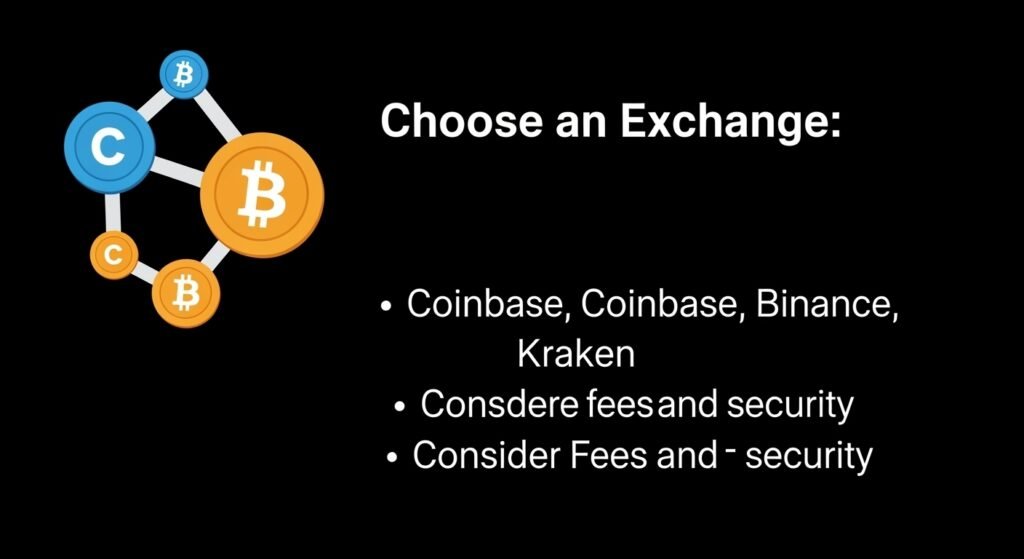
Select a trusted platform to buy and sell crypto. Popular exchanges include:
- Coinbase: User-friendly, great for beginners.
- Binance: Offers many coins, but more complex.
- Kraken: Known for security and low fees.
Check for security features, user reviews, and available cryptocurrencies. Ensure the exchange operates in your country.
Set Up a Wallet
A crypto wallet stores your digital coins safely. Types include:
- Software Wallets: Apps or programs, often provided by exchanges.
- Hardware Wallets: Physical devices, like Ledger, for offline storage.
- Paper Wallets: Printed keys, less common but secure.
Beginners can use exchange-provided software wallets. For larger investments, a hardware wallet offers better protection.
Fund Your Account
Link a bank account or debit card to your exchange account. Deposit funds, which may take a few days to process. Start with a small amount to test the platform.
Buy Cryptocurrency
Choose a cryptocurrency based on your research. Bitcoin and Ethereum are good starting points due to their established history. Review transaction details before buying. Use tools like CoinMarketCap to track prices and trends.
How Much Should You Invest in Crypto Each Month?
Different Ways to Invest in Crypto
There are several ways to invest in cryptocurrency, each with unique benefits and risks:
Direct Purchase
Buying coins directly is the simplest method. You can hold them long-term (called HODLing) or trade them short-term for profit. This method gives you full control but requires secure storage.
Crypto ETFs and ETPs
Exchange-Traded Funds (ETFs) and Exchange-Traded Products (ETPs) track crypto prices without you owning the coins. They trade on stock exchanges, like the ProShares Bitcoin Strategy ETF, launched in 2021. They offer diversification and lower risk but may have fees.
Crypto Stocks
Invest in companies involved in crypto, like Coinbase or MicroStrategy. These stocks provide indirect exposure to the crypto market. They’re less volatile than coins but still carry risks tied to the crypto industry.
Staking
Staking involves holding certain cryptocurrencies in a wallet to support blockchain operations. In return, you earn rewards, like interest. Ethereum and Solana support staking. It’s a way to earn passive income, but you must understand the coin’s staking process.
Managing Risks in Crypto Investment
Crypto investing is risky. Here are ways to protect yourself:
Understand Volatility
Crypto prices can change dramatically. For example, Bitcoin’s price has swung by thousands of dollars in a single day. Only invest money you can afford to lose. Diversify your investments to spread risk.
Research Thoroughly
Before buying a coin, read its whitepaper, which explains its purpose and technology. Check the team’s background and community support. Avoid coins promising quick profits, as they’re often scams. The FTC warns that no one can guarantee crypto profits.
Use Secure Wallets
Store your crypto in reputable wallets. Enable two-factor authentication on exchanges. For large amounts, use hardware wallets to keep coins offline. Never share your private keys.
Stay Informed
The crypto market evolves quickly. Follow news from trusted sources like CoinDesk or Bloomberg. Regulatory changes, like SEC oversight, can affect prices. Stay updated to make smart choices.
Is Trump’s $TRUMP Crypto a Good Investment?
Strategies to Make Money with Crypto
Here are three common strategies to profit from crypto:
Long-term Investing
Buy and hold coins you believe will grow over time. This strategy, called HODLing, suits those who trust a coin’s long-term potential. For example, early Bitcoin investors saw huge gains. It requires patience and tolerance for price dips.
Trading
Active trading means buying low and selling high based on market trends. It can be profitable but requires learning technical analysis, like reading charts. It’s riskier and time-intensive. Beginners should start small and practice.
Staking and Yield Farming
Staking earns rewards by supporting a blockchain network. Yield farming involves lending crypto on DeFi platforms for interest. Both can generate passive income but carry risks, like platform hacks. Research the platform’s security before participating.
The Future of Cryptocurrency
The crypto market is still young. Regulations are developing, with the SEC monitoring for fraud. Blockchain technology is advancing, with uses in finance, supply chains, and more. Staying informed about these changes helps you adapt your investment strategy.
Conclusion
Investing in cryptocurrency offers potential rewards but comes with significant risks. By understanding the basics, choosing secure platforms, and managing risks, you can navigate the crypto market. Start small, research thoroughly, and stay cautious to increase your chances of success.

