

Pi Network has gained massive attention since its 2019 launch, boasting over 60 million users who mine Pi coins via a mobile app. Its promise of easy, energy-efficient crypto mining appeals to beginners. But many ask: Is Pi crypto legit, or is it a scam? This article explores Pi Network’s legitimacy, features, risks, benefits, and future potential to help you decide if it’s worth your time in 2025.

What Is Pi Network?
Pi Network is a cryptocurrency project founded by Stanford graduates Dr. Nicolas Kokkalis and Dr. Chengdiao Fan. Launched on March 14, 2019, it aims to make crypto mining accessible by allowing users to mine Pi coins using a smartphone app. Unlike Bitcoin’s energy-intensive mining, Pi uses a low-energy Stellar Consensus Protocol (SCP).
Key features:
- Mobile Mining: Mine coins by tapping a button daily.
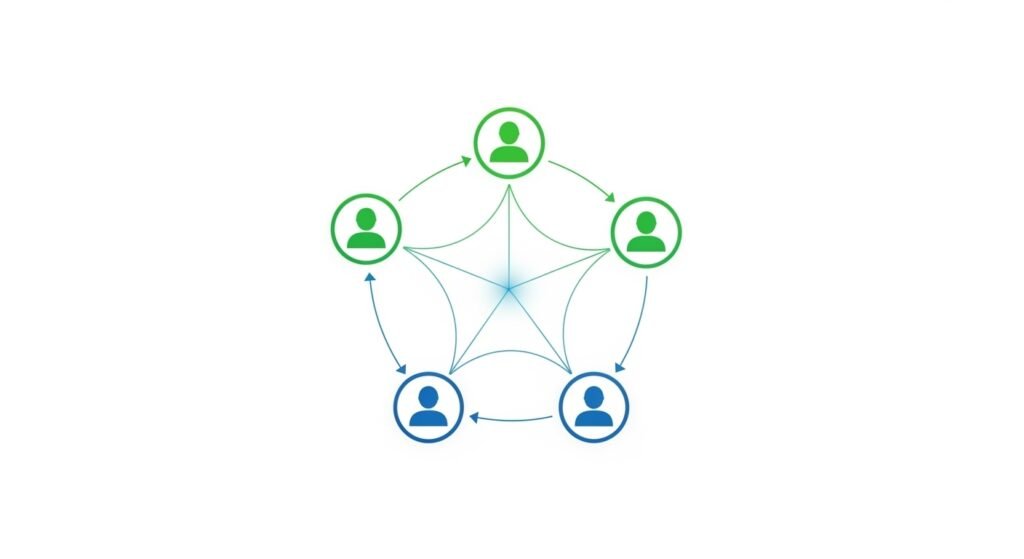
- Security Circles: Invite trusted contacts to boost mining rates.
- Pi Browser: Access decentralized apps (DApps) within the ecosystem.
Curious about other crypto platforms? Check Is Crypto.com Safe?
How Does Pi Network Work?
Pi Network’s process is simple:
- Download the App: Available on iOS and Android via minepi.com.
- Sign Up: Create an account with a username.
- Mine Daily: Tap the mining button every 24 hours.
- Build Security Circles: Invite friends to increase mining speed.
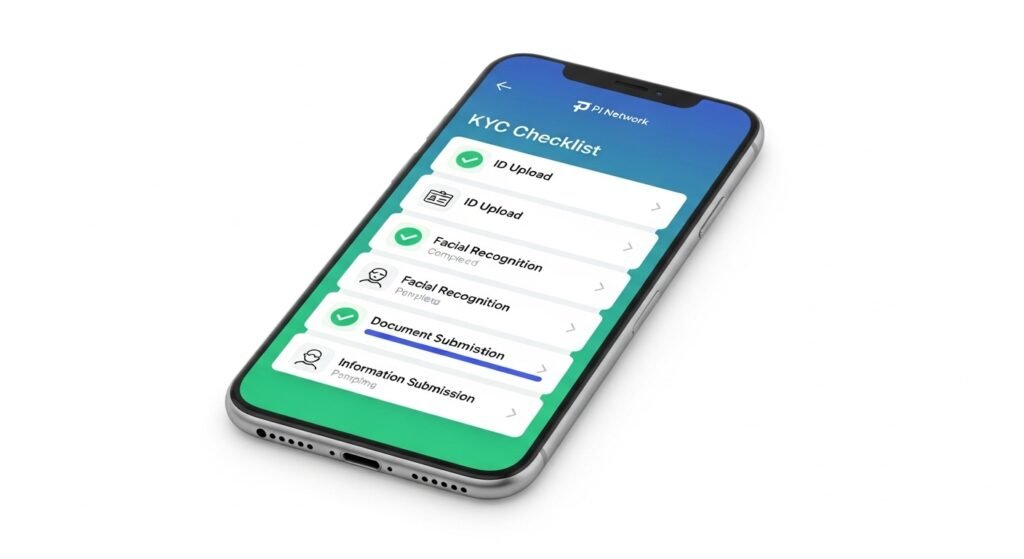
- Complete KYC: Verify identity to transfer coins to the mainnet.
The app supports:
- Pi Wallet: Stores coins securely on your device.
- DApps: Early-stage apps for payments and services.
- Mainnet Migration: KYC-verified users can trade coins on exchanges.
Is Pi Network Legit or a Scam?
Pi Network’s legitimacy is debated. Here’s a breakdown:
Evidence of Legitimacy
- Large User Base: Over 60 million users, with 19 million KYC-verified.
- Mainnet Launch: Open mainnet launched on February 20, 2025, enabling trading on OKX.
- Transparent Founders: Stanford-educated team with a public whitepaper.
- Ecosystem Growth: Pi Browser and Fireside Forum show active development.
Concerns and Red Flags
- Centralization: Core team controls validator nodes, limiting decentralization.
- Privacy Risks: KYC process raises data security concerns.
- Referral System: Critics compare it to pyramid schemes due to its invite-based model.
- Slow Progress: Multiple delays before the 2025 mainnet launch fueled skepticism.
Verdict
Pi Network is not a scam but has flaws. Its functional mainnet and large community suggest legitimacy, but centralization and privacy concerns warrant caution. It’s a low-risk way to explore crypto, as it requires no financial investment, but don’t expect quick riches.
Learn about crypto risks with What is FUD in Crypto?
Current Status of Pi Network in 2025
As of August 3, 2025:
- Mainnet Live: Launched February 20, 2025, allowing trading on OKX.
- Price: Pi coin trades at ~$0.37 USD, with a $2.8 billion market cap.
- Exchange Listings: Available on OKX, but not Binance or Coinbase.
- User Stats: 60 million+ users, 19 million KYC-verified, 10.14 million migrated to mainnet.
The mainnet launch was a milestone, but limited exchange listings and price volatility remain challenges.
Risks and Benefits of Pi Network
| Aspect | Benefits | Risks |
|---|---|---|
| Ease of Use | Simple app-based mining for beginners. | Limited real-world use cases for Pi coins. |
| Community | 60M+ users could drive adoption. | Referral model raises MLM concerns. |
| Cost | Free to mine, no hardware needed. | Time investment with no guaranteed returns. |
| Security | Local key storage on devices. | KYC and ads raise privacy issues. |
Benefits:
- Accessible to anyone with a smartphone.
- Large community could boost future value.
- No financial risk to start mining.
Risks:
- Centralized control limits blockchain trust.
- KYC data collection may compromise privacy.
- Price volatility and limited trading options.
Future Outlook for Pi Network
Pi Network’s future depends on:
- Exchange Listings: Major platforms like Binance could increase liquidity.
- Ecosystem Growth: More DApps and real-world uses could drive adoption.
- Decentralization: Reducing core team control would build trust.
- Price Potential: Some predict Pi could reach $0.82 by 2026, but volatility is high.
The project’s success hinges on addressing centralization and expanding utility.
Wondering about crypto trends? Read When Is the Next Crypto Bull Run?
How to Get Started with Pi Network
- Download the App: Get it from minepi.com.
- Sign Up: Create a profile with a username and password.
- Mine Daily: Tap the mining button every 24 hours.
- Invite Friends: Build a Security Circle to boost earnings.
- Verify KYC: Complete identity verification for mainnet access.
Alternatives to Pi Network
If Pi’s risks concern you, try:
- Brave Browser: Earn BAT tokens by viewing ads.
- Mode App: Complete tasks for crypto rewards.
- Electroneum (ETN): Mobile mining with limited success.
Explore other options with How to Buy Crypto Without KYC
People Also Ask
Is Pi Network safe to use?
Pi Network is safe to try since it’s free, but KYC and ads raise privacy concerns. Use a secure device and avoid sharing sensitive data.
Can Pi coins be converted to cash?
Yes, Pi coins can be traded on OKX for fiat currency since the mainnet launch.
Why is Pi Network controversial?
Its referral system, centralization, and delays spark debate. Critics liken it to MLM, while supporters see it as innovative.
What is the future value of Pi coin?
Predictions suggest $0.82 by 2026, but volatility and limited listings make this uncertain.
Conclusion
Pi Network is a legitimate crypto project with a unique mobile mining model. Its 60 million users and February 2025 mainnet launch show promise, but centralization, privacy risks, and slow progress raise concerns. It’s a low-risk way to try crypto, requiring no money, but don’t expect instant wealth. Research thoroughly, stay cautious, and monitor its growth before committing significant time.
More:

